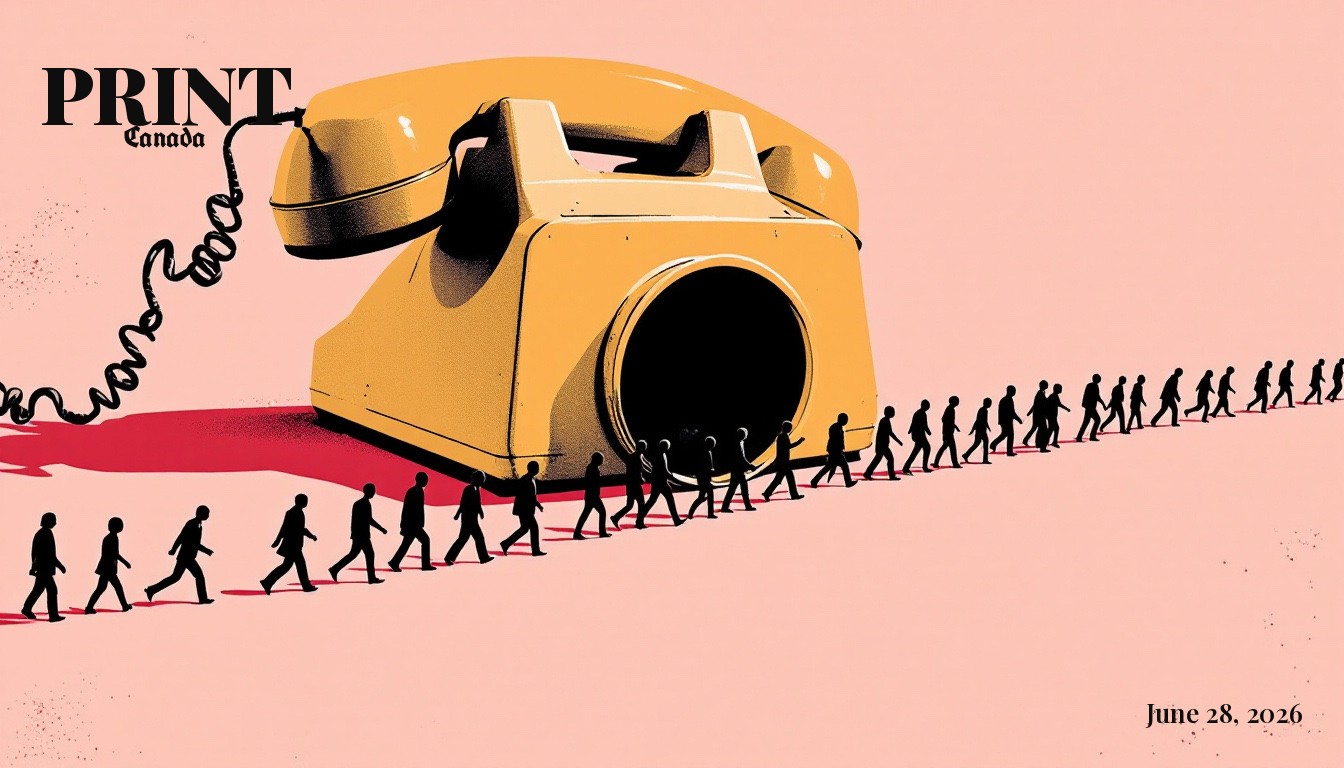
Forty thousand people called a number to sell their souls.
Rabi put a phone number on the street under three words, We Buy Souls, and asked a single question: what is yours worth. The answers, forty thousand of them, are the real work.
The sign does not look like art, and that is the first thing it gets right. It looks like the cheapest kind of commerce, the corrugated roadside placard that says we buy gold, we buy houses, we buy junk cars. Only the noun has changed. We Buy Souls, it reads, and beneath it, a phone number. You are meant to call.
People did. Over four years, the line attached to Rabi's street project gathered more than forty thousand voicemails. The instruction was simple to the point of cruelty: say what your soul is worth, and say why. What came back was not a punchline. It was a country talking to itself in the dark, one caller at a time, naming a price and then, almost always, explaining the price away.
The mechanism is the mask
Rabi, who posts as rabi__towing and made his name in the street long before he set foot in a gallery, came up through graffiti and murals, and in 2009 co-founded the Los Angeles collective CYRCLE before leaving in 2019 to work alone. We Buy Souls carries that lineage. It is public by default, parasitic on the visual grammar of the city, and it refuses the frame that would warn you in advance that this is Art and should be approached with reverence.
Instead it hides behind a corporation. The project runs under a fictional entity, WBS, a shell with the bloodless name The Entity LLC, and the joke is that the shell is indistinguishable from the real thing. A company that buys souls is absurd. A company that quietly prices your attention, your data, your faith, your time, and sells them back to you is Tuesday. The satire lands because the distance between the two is so short you can step across it without noticing you have.
The archive is the art
What lifts We Buy Souls above a clever sign is the voicemail box. Forty thousand messages is not a gag, it is a corpus. Some callers name a dollar figure, flat and fast, the way you would price a used appliance. Some refuse, and the refusal is its own kind of confession. Some use the anonymity to say the thing they have never said to anyone, and you understand, listening, that the number was never the point. The number was the door.
A company that buys souls is absurd. A company that prices your faith and sells it back is Tuesday.
Taken together the messages form a portrait of how people value themselves when a stranger asks them to do it out loud and promises not to remember their face. It is the rarest thing a participatory work can produce: not a crowd performing for the artist, but a crowd forgetting the artist is there.
Into the white cube
Earlier this year the project took the form it had spent four years resisting. From January 10 to February 14, at Good Mother Gallery in Los Angeles, We Buy Souls entered the white cube for the first time, as audio, video, sculpture, paintings, and contracts the audience could sign to keep the transaction running. The foreword, by the artist Shantell Martin, put the project's question without decoration: would you sell yours, and how much is it worth.
There is a risk in that move. The roadside version was free, anonymous, and a little dangerous, and the gallery is none of those things. It makes the work safe, legible, collectible. But the archive resists being tamed. You cannot hang forty thousand confessions on a wall and call them decor, and the gallery is honest enough to let the recordings do what they do, which is refuse to be background.
The verdict
We Buy Souls is the rare conceptual project that earns its concept. It takes the dumbest sign on the street and uses it to ask the oldest question, then does the patient, unglamorous work of listening to the answers for four years. It understands that the soul, in the country it was made in and in ours, is already a line item, already priced, already quietly for sale, and that the only thing left to do is make the rate audible. PRINT keeps its eye on this country by habit, but the work worth crossing the border for this year was a phone number that treated the soul as inventory and trusted forty thousand strangers to argue about the markup.