
The Civilian
Record
Canada, 2021 to 2026. What the institutions a person turns to when they are most vulnerable actually delivered, told from the receiving end.
The measure of a country is what it does to the people with the least power to refuse it. This is five years of that, kept where it cannot be quietly revised.
A country narrates itself in announcements: the funding committed, the apology delivered, the holiday declared. This is the other narration, the one assembled from the receiving end. Across these years PRINT followed what the institutions a person turns to when they are most vulnerable, the court, the hospital, the border desk, the benefits office, the tap, actually delivered to the people standing in front of them.
The pieces gathered here are retrospectives, written in 2026 and dated to the events they examine, so the record reads in order. Each is grounded in the public record and says plainly what is established, what is contested, and what remains unproven. None invents a quote or a number to make the case sharper than the facts allow. That restraint is the whole point. A record that a fact-check can tear down is not a record.
Read together they make one argument by accumulation: that the distance between what the country says about itself and what it hands its least powerful is not an accident, and not a backlog. It is the thing the record measures.
First Nations
The plainest test a country can be set, and the one it keeps failing in slow motion: clean water, the truth about the schools, the children still taken.
Canada documented this history itself, years before Kamloops.
In 2021 radar near a former residential school in Kamloops detected what may be 200 unmarked graves, and the country reacted as if hearing it for the first time. Its own Truth and Reconciliation Commission had documented the system, and thousands of children's deaths, six years earlier.
Read the retrospective
The tap water the country still cannot make safe.
In 2015 Ottawa promised to end every long-term First Nations drinking water advisory by 2021. The deadline passed. Years later dozens of communities still cannot drink their tap water, and one has been boiling since 1995.
Read the retrospective
The largest settlement in Canadian history, and the children still being taken.
A tribunal found Canada discriminated against First Nations children in 2016. Seven years later the cheque was approved. The system that caused it has not stopped running.
Read the retrospectiveImmigration
The rights of the people the country invites in for their usefulness, and the rights it declines to give them once they are here.
They closed the road overnight. The crossings did not stop, they moved.
Roxham Road was shut by a deal signed in a day and in force by midnight. What changed was not whether people cross, but where, and at what risk.
Read the retrospective
The students the country courted, then blamed.
For a decade Canada recruited international students as revenue for starved colleges and a labour pipeline. Then in January 2024 it capped their numbers and let them carry the blame for a housing crisis they did not cause.
Read the retrospective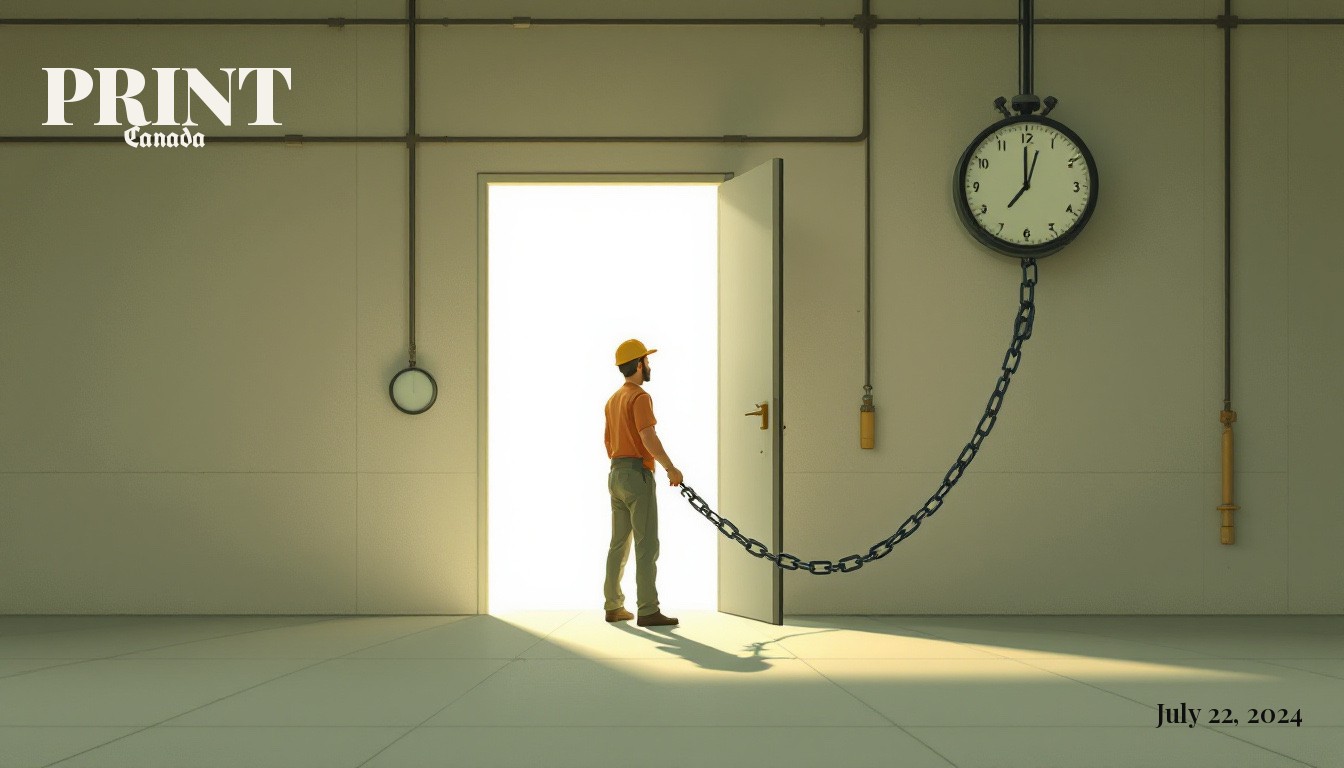
The permit that ties a worker to one boss.
In 2024 a UN expert called Canada's temporary foreign worker programs a breeding ground for contemporary forms of slavery. The cause was the closed work permit, which binds a worker to one employer, so a person who cannot leave cannot safely complain.
Read the retrospectiveCivil Liberties
What the state may do to a citizen, and whether anyone with a robe ever gets to rule on whether it was allowed.
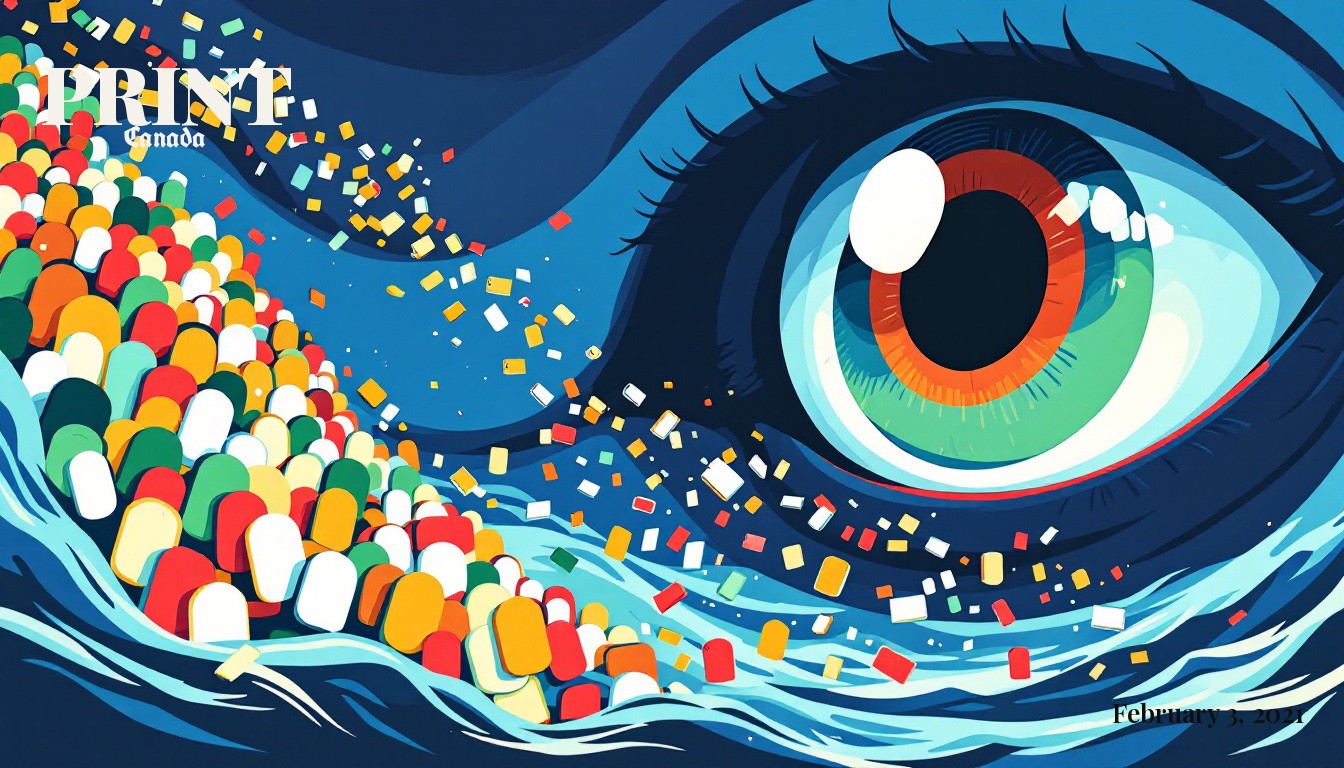
Four privacy watchdogs called it mass surveillance. The company kept the photos anyway.
Canada's privacy commissioners found Clearview AI had scraped three billion faces illegally. Then came the harder lesson: what a finding can and cannot make a company do.
Read the retrospective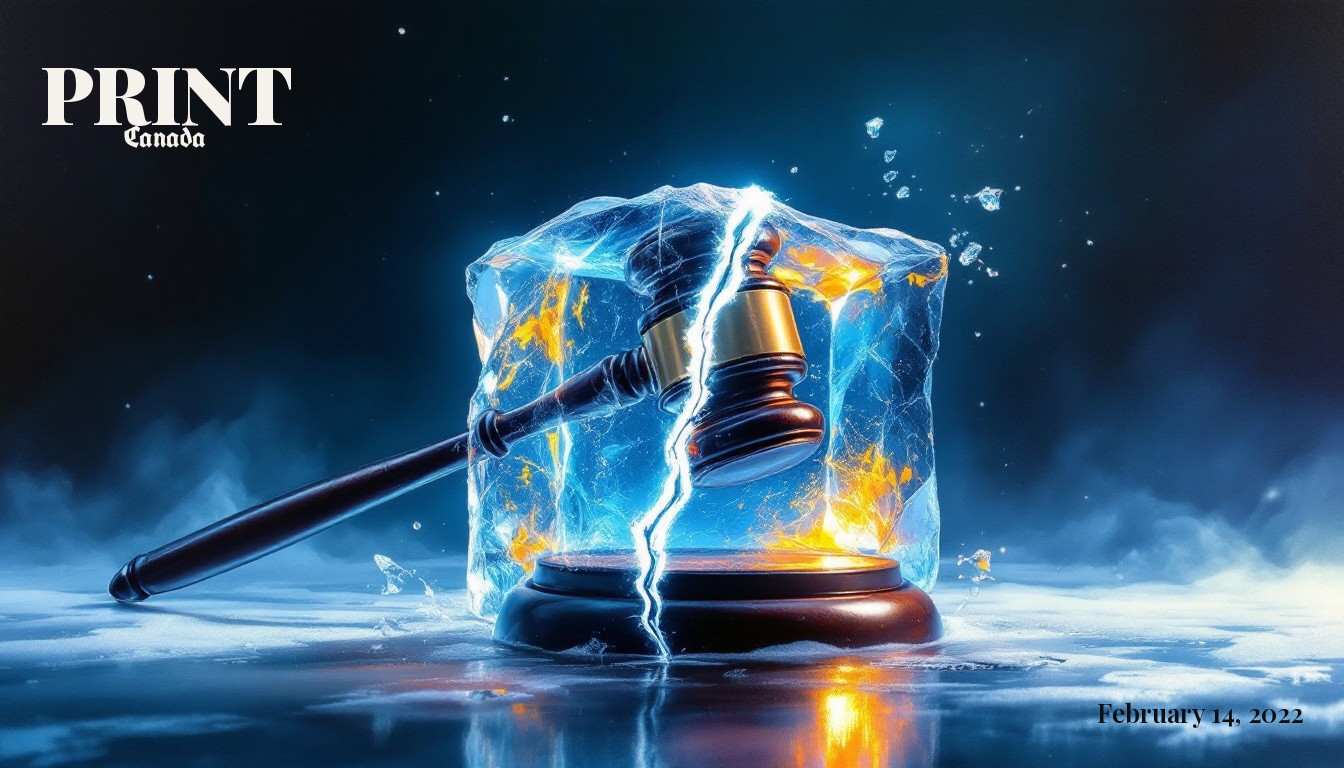
The first time Canada ever used the Emergencies Act.
On February 14, 2022, Canada invoked the Emergencies Act for the first time, freezing bank accounts and compelling tow trucks. An inquiry said the threshold was met, reluctantly. A Federal Court later said it was not, and breached the Charter. The law is still unsettled.
Read the retrospectiveThe Pandemic
The emergency that asked everything of people, and the accounting the country mostly declined to give them afterward.

The QR code at the door: what the vaccine passport bought, and what it cost.
For about six months, your phone decided whether you could eat indoors. The trade was real on both sides, and it deserves to be weighed honestly.
Read the retrospective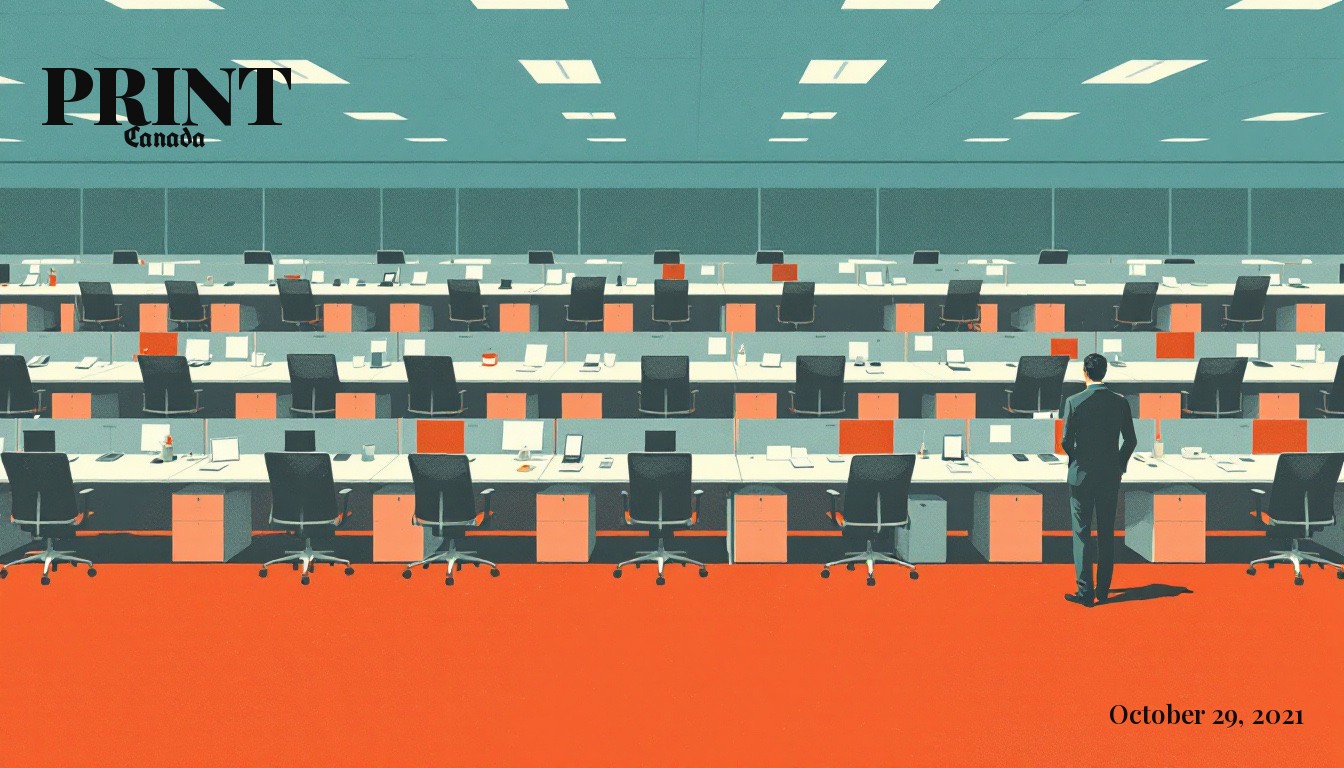
The empty chairs the vaccine mandate left behind.
In late 2021 the federal government required its 267,000 workers to be vaccinated; those who refused went on unpaid leave. The mandate was lifted in mid 2022, and the courts mostly never ruled on whether it was lawful, because by then it was gone.
Read the retrospective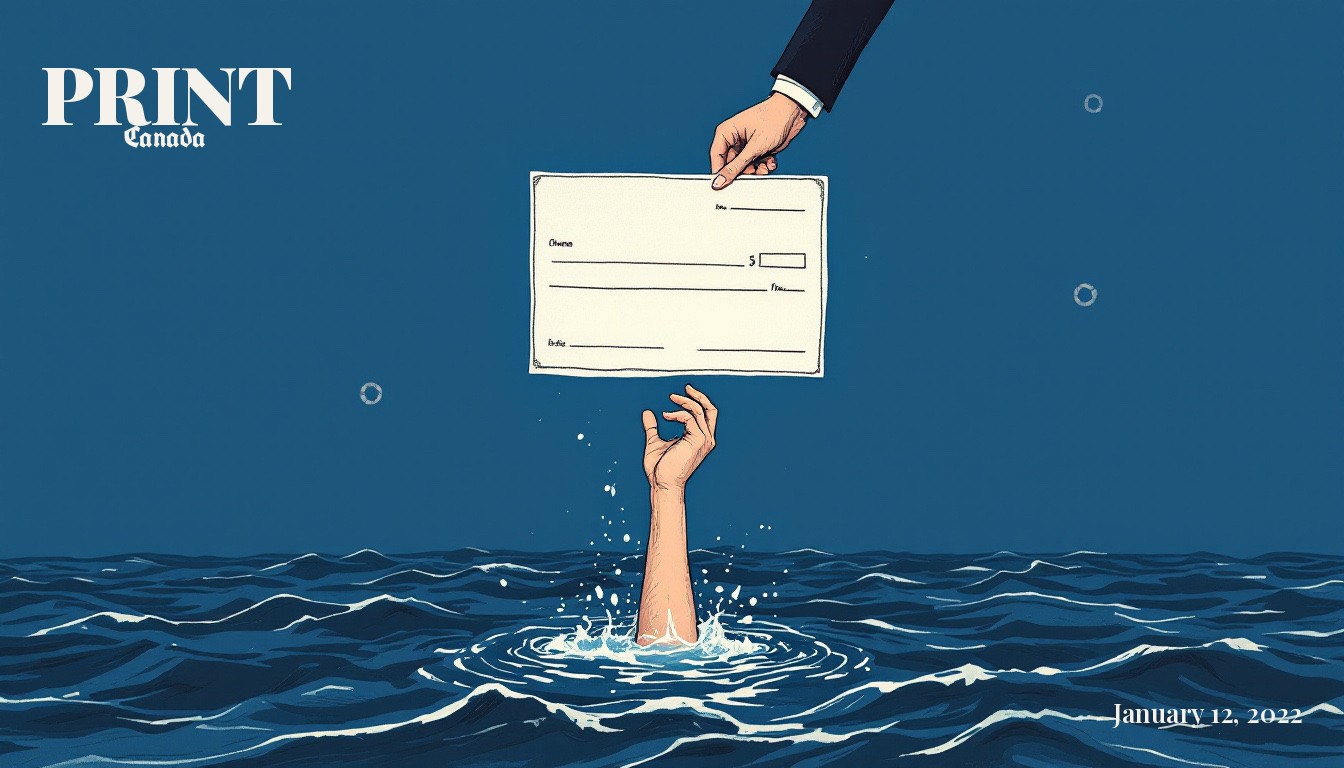
The emergency cheque the country asked for back.
CERB kept the country standing in 2020, paid out fast on trust. Then the letters came. For the self-employed who followed the government's own unclear guidance, the emergency cheque became a debt.
Read the retrospective