Disability support, social assistance, and mental health policy in Ontario.
The Courts · B. Fontaine · Jun 25, 2026
Spend a morning on the benches of an Ontario criminal courthouse and you learn quickly who the system actually spends its day on. Not the dangerous. The sick, the addicted, the disabled, the homeless, processed one after another for minor offences by the one public institution still open and funded enough to receive them. The courtroom cannot treat any of what brought them there. It can only charge, detain, and discipline. So that is what it does.
Know Your Rights · B. Fontaine · Jun 25, 2026
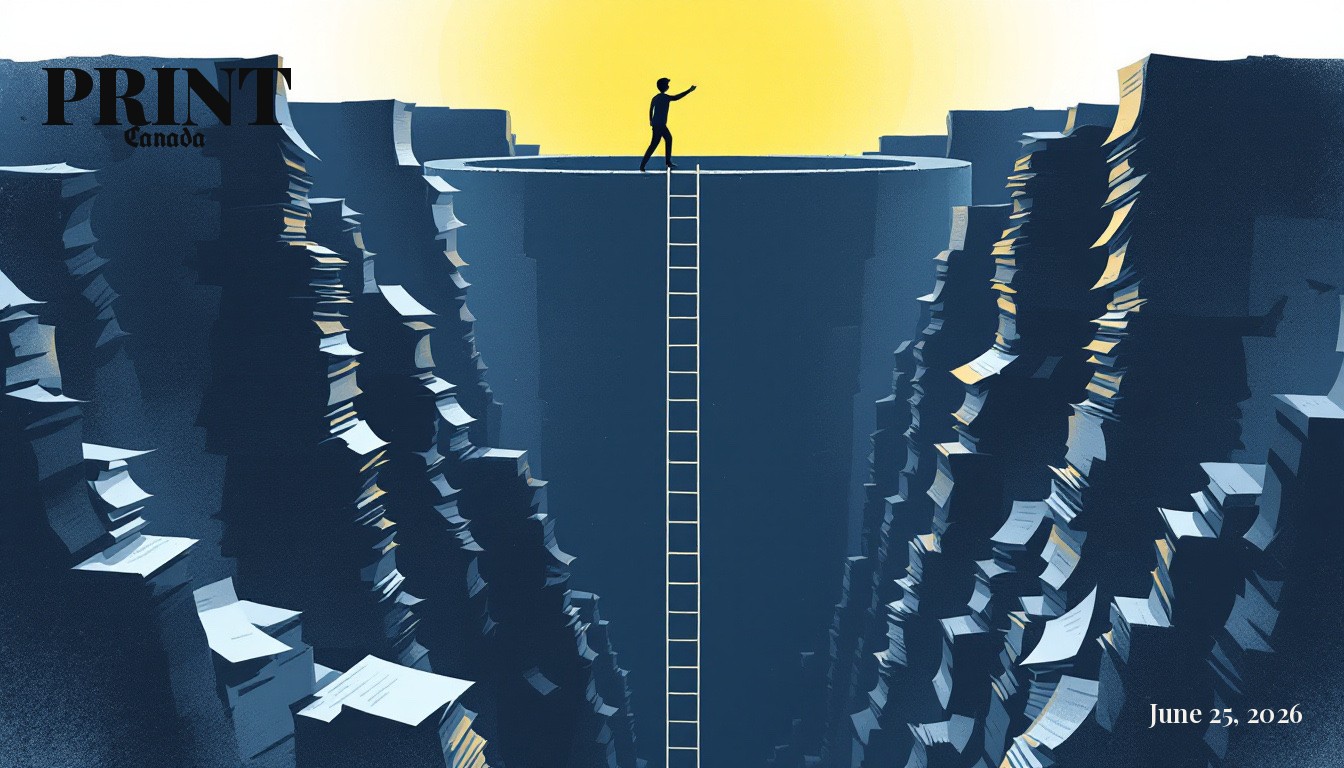
A denial letter from the Ontario Disability Support Program is not the end. There is a two-step appeal, both steps have firm deadlines, and free help exists that most people never hear about. This is the plain version. It is general information, not legal advice.
Disability · B. Fontaine · Jun 21, 2026
He has had ADHD since age nine. That is twenty-seven years of continuous diagnosis, continuous treatment, and continuous impact on his capacity to work and sustain daily function. He has PTSD. He has been hospitalized for it four times in ten years. He takes two antipsychotics concurrently, two benzodiazepines concurrently, a schedule-two controlled stimulant, and a cardiovascular medication. His own doctor recommended he apply for disability support in 2016. On May 3, 2026, the Ontario Disability Support Program found that he does not have a substantial impairment.
Disability · B. Fontaine · Jun 8, 2026
When the Ontario Disability Support Program denies an application, the applicant has thirty days to request an internal review of the denial. The internal review is conducted by the Ontario Disability Support Program. The reviewing body is the denying body. The reviewer works for the Ministry of Children, Community and Social Services, as did the person who made the original decision. The country calls this a review. The country does not call this a conflict of interest.
Disability · B. Fontaine · Apr 18, 2026
Ontario's disability support program will, in its current operational practice, deny a first application from a citizen with a fully documented mental-health condition. The applicant is informed of the denial in a letter that, on its face, cites insufficient evidence of substantial impairment. The evidence, on closer examination, is in the file. The evidence is in three psychiatrists' reports, two GP letters, a psychologist's full assessment, and the applicant's own medication record. The program wants, instead, an X-ray. The applicant does not have an X-ray. The condition does not break a bone. The country has decided that the bone is what disability looks like.
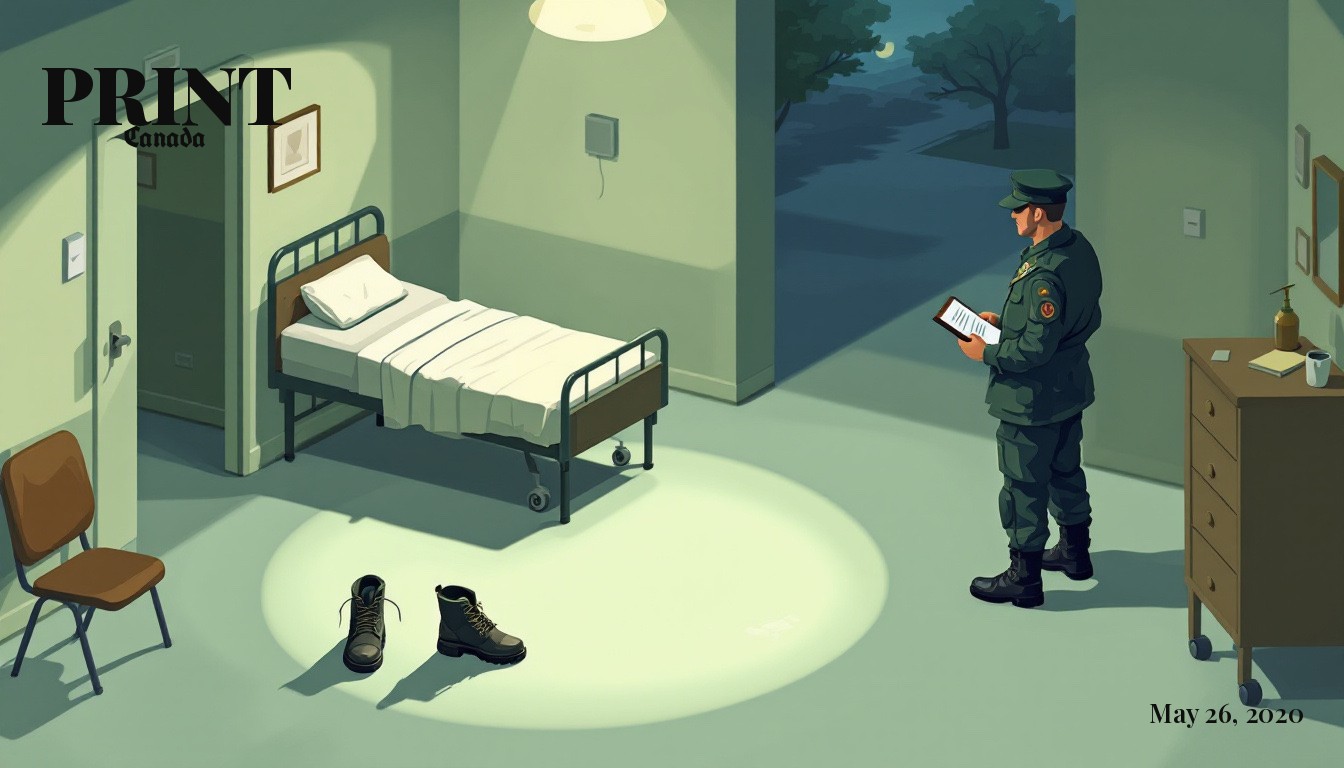
The COVID Reckoning · M. Saunders · May 26, 2020
In the spring of 2020, Canada sent soldiers into long-term care homes that the virus had overwhelmed. What they wrote down, cockroaches, force-feeding, residents left calling for help, was so severe the province took control of five homes. A retrospective on the report that made the country look, and the question of whether anything changed.