PRINT Canada · Writer
Bernard Fontaine
Social Policy Reporter · Sudbury, Ont.
Northern Ontario social services caseworker 2010 to 2019. Left to report on the systems he had worked inside. Covers ODSP, OW, housing, mental health infrastructure, and the bureaucracies that manage poverty. Has never covered a story that did not involve a real person who sent him documents.
Beats: disability, social assistance, mental health, housing, northern Ontario
Contact: b.fontaine@printmag.org
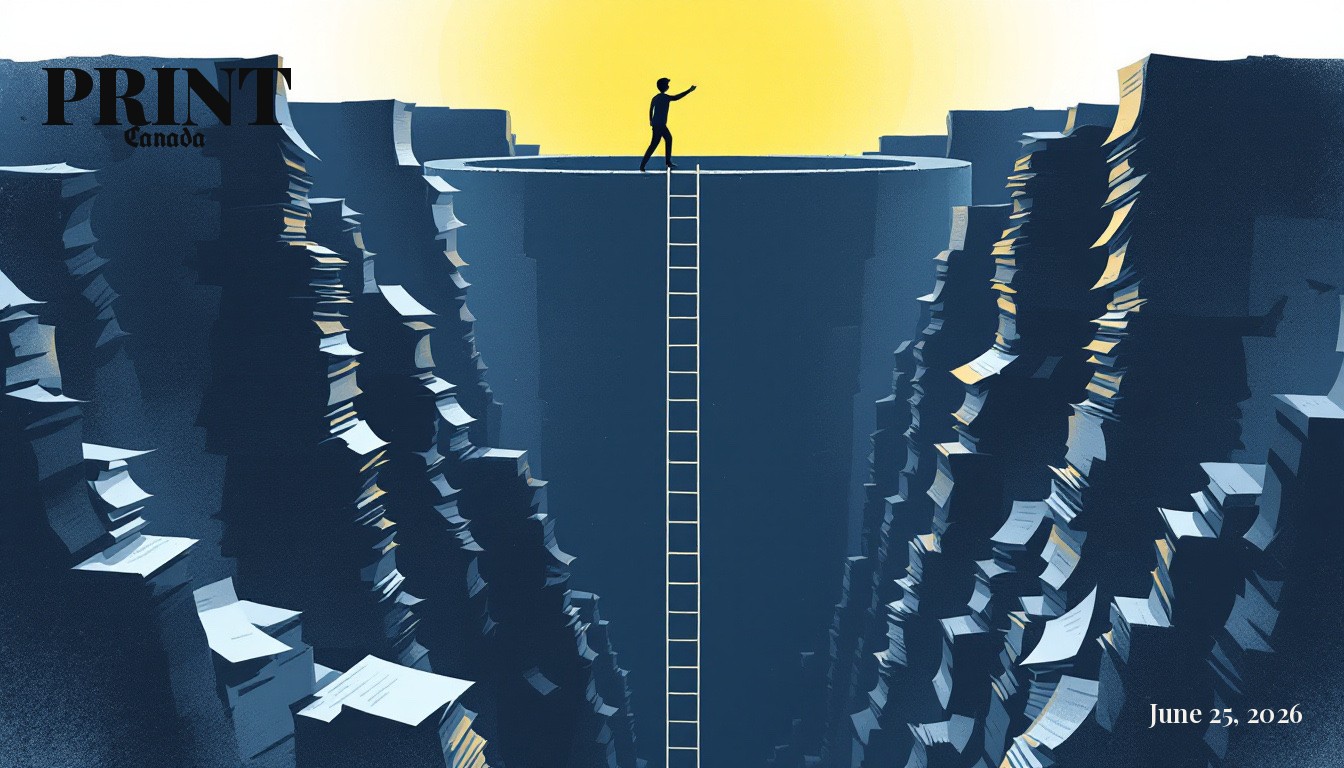
The Courts · B. Fontaine · Jun 25, 2026
Spend a morning on the benches of an Ontario criminal courthouse and you learn quickly who the system actually spends its day on. Not the dangerous. The sick, the addicted, the disabled, the homeless, processed one after another for minor offences by the one public institution still open and funded enough to receive them. The courtroom cannot treat any of what brought them there. It can only charge, detain, and discipline. So that is what it does.
Know Your Rights · B. Fontaine · Jun 25, 2026
A denial letter from the Ontario Disability Support Program is not the end. There is a two-step appeal, both steps have firm deadlines, and free help exists that most people never hear about. This is the plain version. It is general information, not legal advice.
Disability · B. Fontaine · Jun 21, 2026
He has had ADHD since age nine. That is twenty-seven years of continuous diagnosis, continuous treatment, and continuous impact on his capacity to work and sustain daily function. He has PTSD. He has been hospitalized for it four times in ten years. He takes two antipsychotics concurrently, two benzodiazepines concurrently, a schedule-two controlled stimulant, and a cardiovascular medication. His own doctor recommended he apply for disability support in 2016. On May 3, 2026, the Ontario Disability Support Program found that he does not have a substantial impairment.
Disability · B. Fontaine · Jun 8, 2026
When the Ontario Disability Support Program denies an application, the applicant has thirty days to request an internal review of the denial. The internal review is conducted by the Ontario Disability Support Program. The reviewing body is the denying body. The reviewer works for the Ministry of Children, Community and Social Services, as did the person who made the original decision. The country calls this a review. The country does not call this a conflict of interest.
Disability · B. Fontaine · Apr 18, 2026
Ontario's disability support program will, in its current operational practice, deny a first application from a citizen with a fully documented mental-health condition. The applicant is informed of the denial in a letter that, on its face, cites insufficient evidence of substantial impairment. The evidence, on closer examination, is in the file. The evidence is in three psychiatrists' reports, two GP letters, a psychologist's full assessment, and the applicant's own medication record. The program wants, instead, an X-ray. The applicant does not have an X-ray. The condition does not break a bone. The country has decided that the bone is what disability looks like.
Veterinary · B. Fontaine · Apr 12, 2026
A routine appointment at a Guelph-area veterinary clinic becomes, within an hour, a medical emergency. Two litres of fluid are drained from a small dog after a reaction to a vaccine. The owner, when she later requests the medical record, receives a document with gaps the clinic cannot explain. The College, when asked, does what the College usually does.
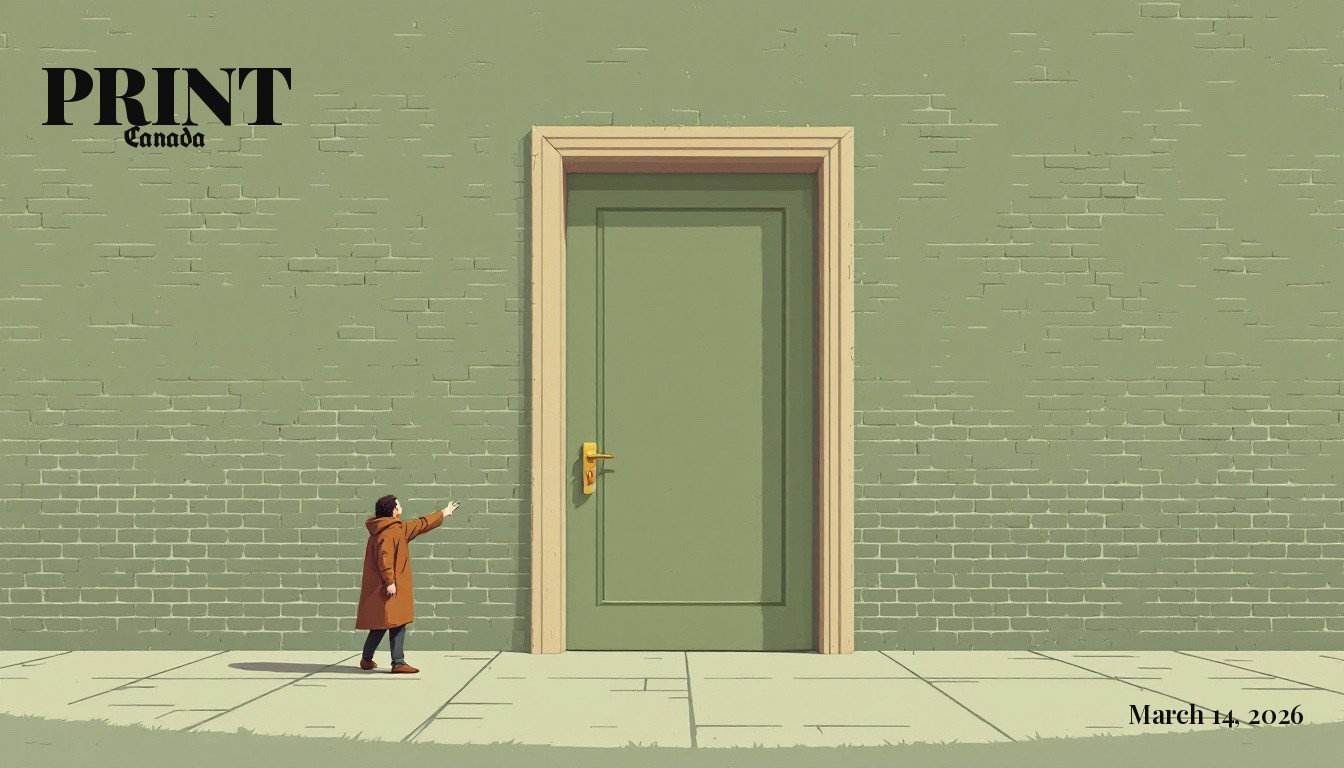
Mental Health · B. Fontaine · Mar 14, 2026
The country has, since the early 2010s, told itself that it cares about mental health. The country has produced a great many ribbons, posters, and corporate-sponsored awareness days. The country has not produced a public counselling system. Anyone who has tried, in the public system, to get a regular hour with a therapist knows the truth. There is no hour. There is, instead, a private fee schedule and a polite suggestion to consider it.
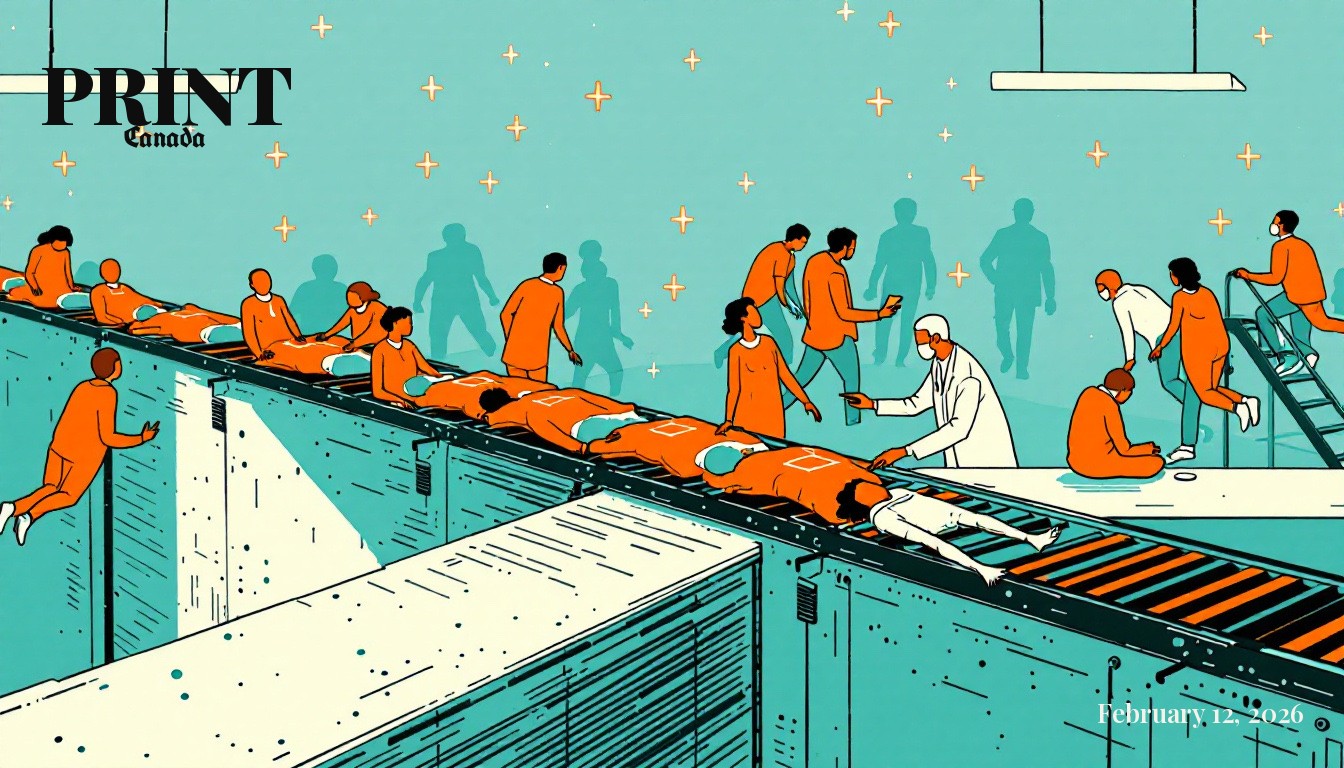
Healthcare · B. Fontaine · Feb 12, 2026
The country has confused volume with care. Every walk-in chair is occupied. Every triage queue is long. The actually sick are folded in among the merely worried, and the system has stopped distinguishing between them. The unfashionable fix is the one nobody on a podium will say.
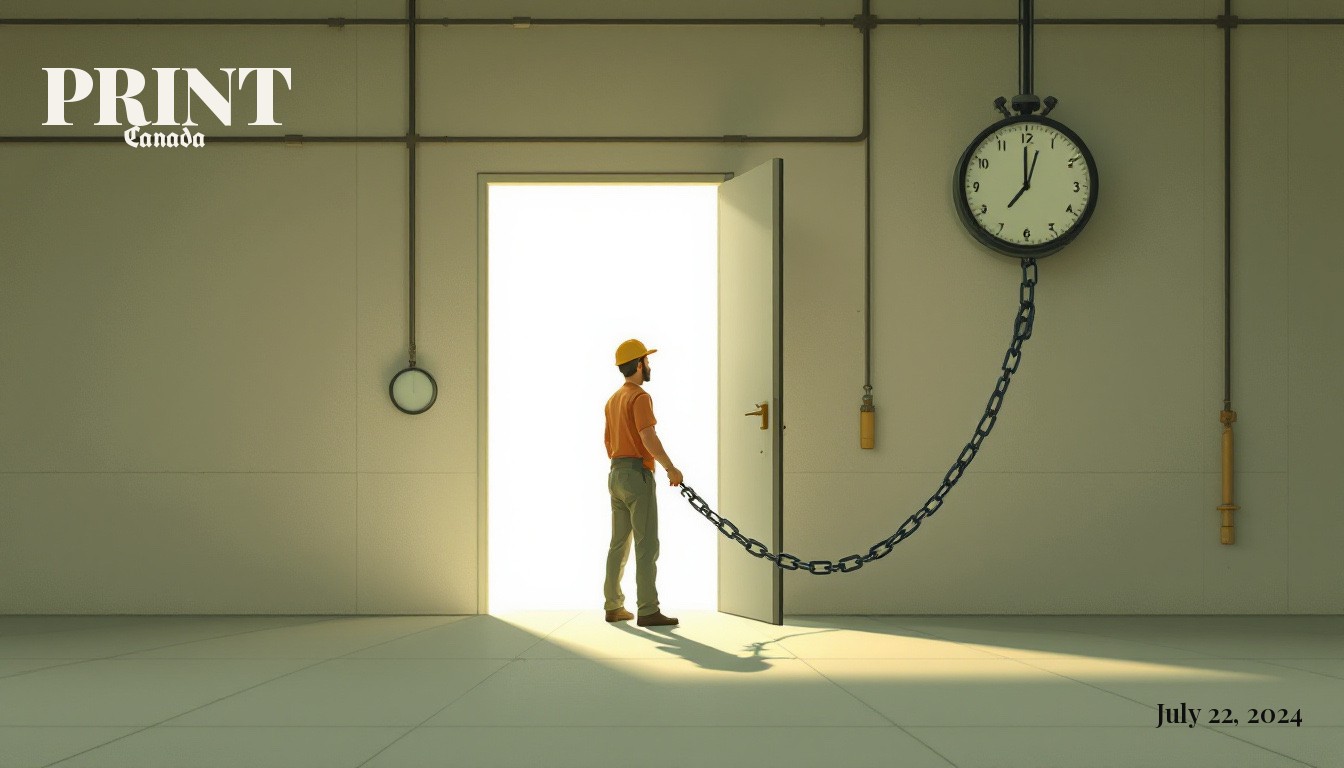
Immigration · B. Fontaine · Jul 22, 2024
In 2024 a United Nations expert looked at how Canada brings in temporary foreign workers and used a phrase a wealthy democracy is not supposed to earn: a breeding ground for contemporary forms of slavery. The cause he pointed to was not a few bad employers. It was a piece of paper. The closed work permit binds a worker to a single boss, and a person who cannot leave cannot safely complain.
Truth and Reconciliation · B. Fontaine · Apr 16, 2024
After Kamloops, Canada told First Nations to search the grounds of the schools themselves, and put real money behind it. Then, with the work nowhere near done, it started looking for the exit. A retrospective on a search that runs on the communities' timeline, and a country that keeps trying to set a deadline on grief.
Truth and Reconciliation · B. Fontaine · May 27, 2021
In the spring of 2021, ground-penetrating radar near a former residential school in Kamloops detected what specialists said could be around two hundred unmarked graves, and a country reacted as though it were hearing the story for the first time. It was not the first time. The country's own Truth and Reconciliation Commission had documented the system, and the thousands of children who died inside it, six years earlier. Five years on, this is a retrospective about what was found, what was always known, and the honest accounting still owed.