Banks, auto loans, credit reporting, and retirement accounts, and the consumers who refused to let it go.
Taxes · A. Bergeron · Jun 26, 2026
Your employer sends the government your income. Your bank sends it your interest. The agency already holds the slips it makes you copy back to it under threat of penalty. The technology to simply tell people what they owe, or are owed, exists and is already running for two million Canadians. The default is backwards. Make it automatic. Let the civilian dispute the number, or not. Simple.
Know Your Rights · A. Bergeron · Jun 25, 2026
A hard inquiry on your credit file lowers your score and is supposed to require your consent. If one appears that you did not authorize, you have concrete steps: dispute it, demand removal, and file a privacy complaint. This is general information, not legal or financial advice.
Financial Services · M. Saunders · Jun 21, 2026
On October 20, 2025, a 72-year-old woman called her insurance company to withdraw $2,500 from her own Registered Retirement Income Fund. She was told it would arrive within a week. It did not arrive. Nine case numbers were opened over the following month. Callbacks were promised and not made. The company cited connection problems, on their end. Three months later, the company sent her a letter admitting it was their fault, offering $5,000, and requiring her to sign away every legal right she had in exchange.
Banking · A. Bergeron · Jun 21, 2026
She agreed to an eighty-four month auto loan at $500.40 a month. When she arrived to take the keys, the loan on the desk was seventy-two months at $571.48 a month. The keys were in sight. The dealer was waiting. Nobody had called to say the terms had changed. She signed. Three months later, when she asked the bank to explain the difference, it sent a repossession truck.
Banking · A. Bergeron · Jun 21, 2026
Between November 2025 and May 2026, a major Canadian chartered bank ran a hard credit inquiry on a consumer's file six times. The consumer had not applied for any product. The consumer had not authorized any inquiry. Each hard pull lowered the credit score. When the consumer asked the bank to explain and remove the inquiries, the bank sent a letter. The letter thanked him for raising his concern. The six inquiries remained.
Banking · A. Bergeron · Jun 1, 2026
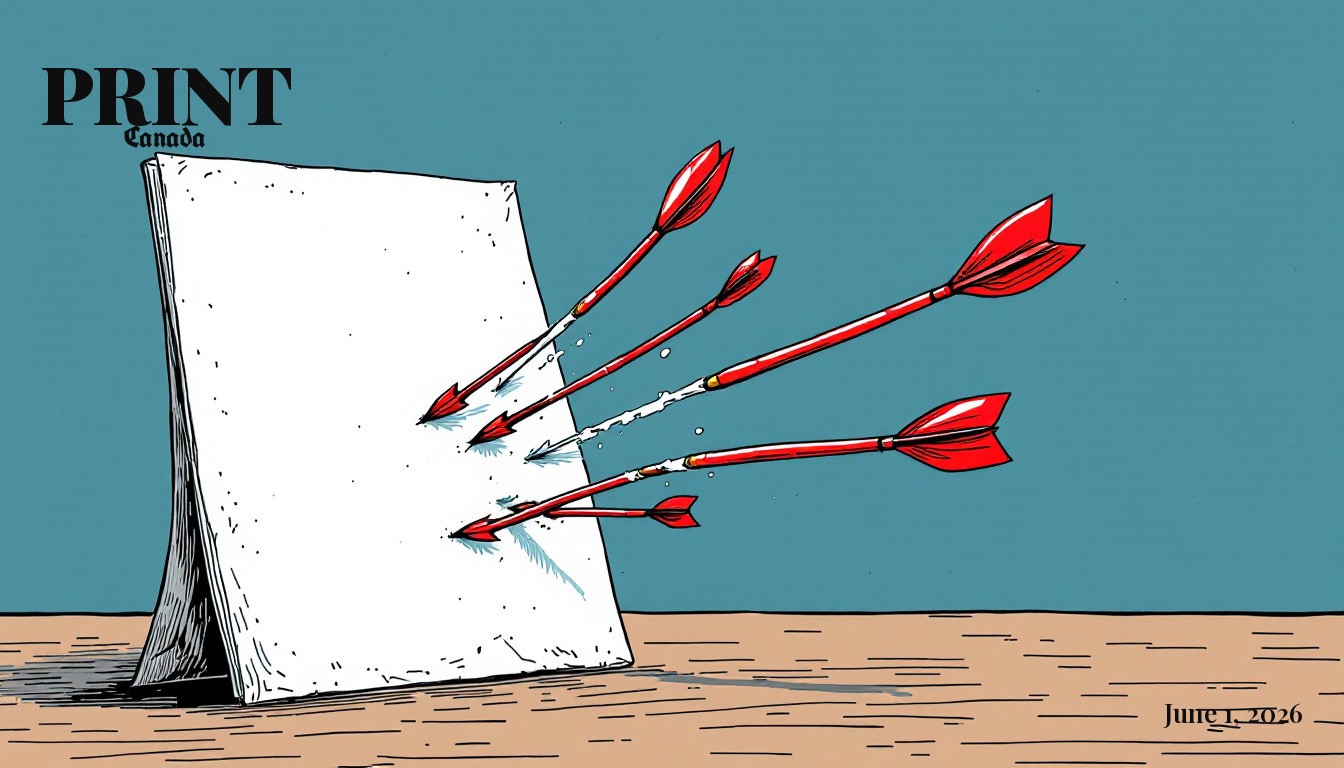
A Canadian consumer, reviewing her credit file for the first time in two years, finds six hard inquiries from a major chartered bank she has not recently applied to for anything. Each hard inquiry is, by every credit bureau's published scoring methodology, a negative event on the consumer's file. The bank, when asked, produces a standard letter. The letter does not explain what the six inquiries were for. The letter thanks the consumer for raising her concern. The six inquiries remain.
The Pandemic · A. Bergeron · Jan 12, 2022
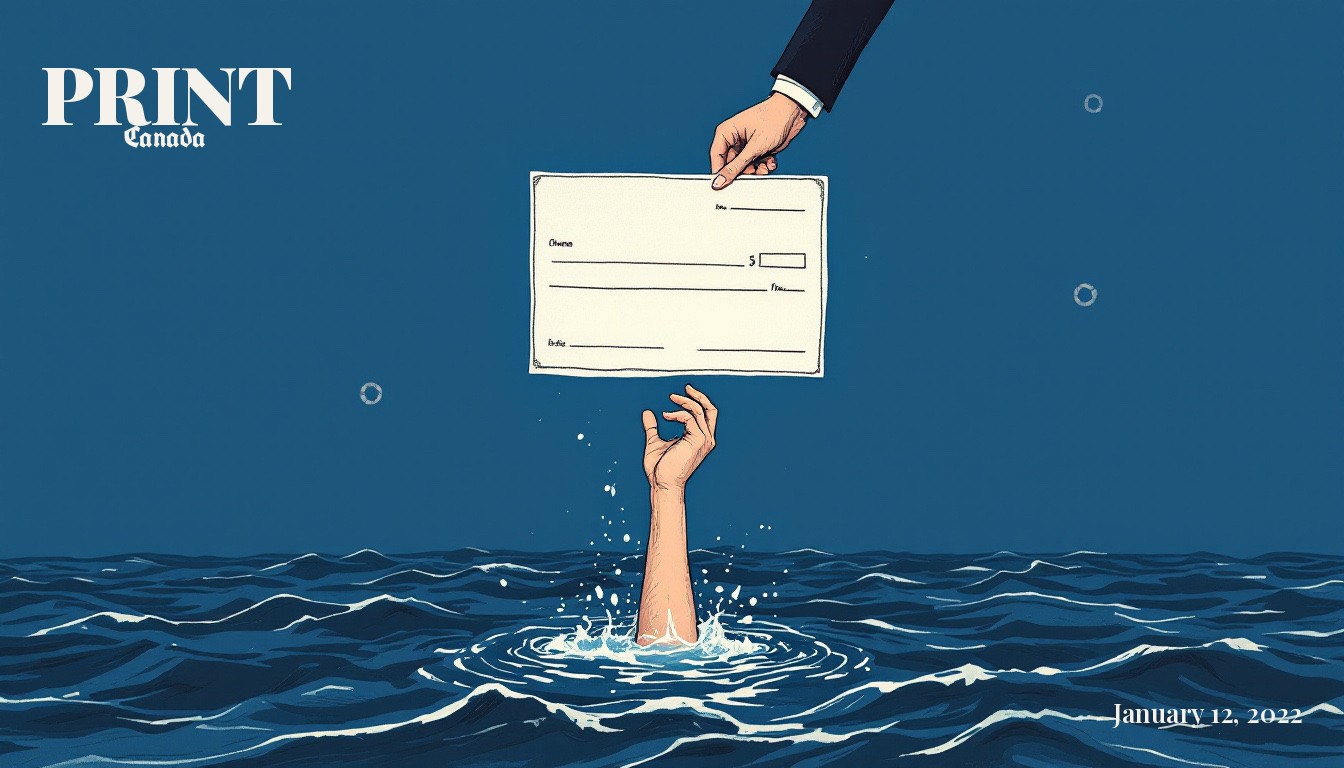
In the spring of 2020 the government pushed money out the door fast to keep people fed and housed through a sudden shutdown, and told them not to worry about the paperwork yet. Then the letters came. The Canada Emergency Response Benefit kept the country standing, and for some of the most precarious people who took it, often following the government's own unclear instructions, it became a debt.